
 SEARCH
Personalised medicine is when treatment is tailored to suit an individual patient, based on a growing number of sophisticated tests to determine how a person's genes can predict their response to a particular drug or dosing regime.
Is the future of medicine personalised?

Helen Terry | Director of Research at Crohn's & Colitis UK
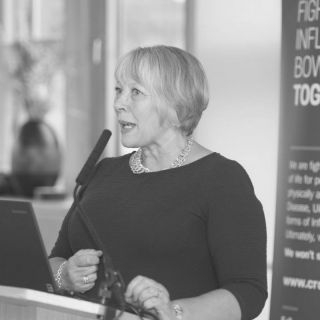 The phrase 'personalised medicine' has been growing in popularity in recent years, but what does this mean for people with Crohn's or Colitis?
What research is out there looking at personalised treatments and is the personalised approach happening in the real world?
As part of IBD UK, we have been working on updating the IBD Standards, a framework of statements that ensure that people with Crohn's or Colitis receive consistent high-quality care wherever they live in the UK.
Personalised medicine differs slightly from personalised care, which takes into account patients' needs and preferences, with the aim of achieving the best outcomes.
The concept of putting the patient at the centre underpins a number of the statements, including the creation of a personalised care plan upon diagnosis and making sure shared-decision making happens between doctors and patients in regard to their treatment. These are examples of how you might be experiencing personalised care in your hospital.
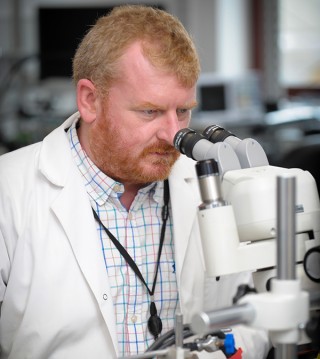 Personalised medicine goes further than a discussion with your doctors, as tests are becoming available that can help determine how severe someone's Crohn's or Colitis might be. This ultimately can give them better treatment options.
PredictImmune, a Cambridge University spin-out company have been working on their PredictSURE IBD test for 10 years.
PredictSURE IBD, a quick blood test, can reliably predict patients who are at risk of aggressive or milder symptoms of Crohn's or Colitis. This information will provide valuable information to doctors about the expected way the disease will affect patients' bodies. It will help doctors decide the most appropriate treatment to recommend to patients to best manage their symptoms and condition. It could result in people starting on more personalised treatment earlier.
One of the main reasons some drugs might not work is because people develop an immune response to the drug. The body sees the drug as a potential threat rather than a medicine and produces antibodies to attack it.
One of our own research projects is also looking into personalised medicine. Last year we awarded the first Richard Driscoll Fellowship, in memory of the charity's former chief executive and tireless supporter.
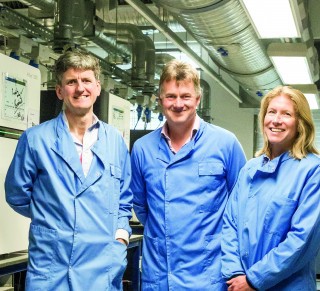
Neil Chanchlani has been funded to complete a research doctorate at the University of Exeter looking at why some people with Crohn's or Colitis respond well to specific drugs, whilst others fail to respond, or experience unpleasant side effects.
Neil and his team want to develop a new way for doctors to predict which people are more at risk of developing unhelpful antibodies before starting medication. This could allow for more personalised treatment and even lead to new treatments in the future.
It's really exciting that we are moving away from a 'one size fits all' approach for people with Crohn's or Colitis.
Whether that means patients making more informed decisions with the help of their doctor, new tests to determine the best treatment, or research studies that are focusing on making sure patients get the right drugs for them, we are looking forward to seeing what the future holds.
Get involved
Want to help fund, develop or participate in research? Visit our Research page.
About Crohn's and Colitis

Page
saved
This page has been saved in your personal space. Go to “My Page” to view all saved pages.
Helpline Service
We know it can be difficult to live with, or support someone living with Crohn’s or Colitis. But we’re with you. We can give you the right information and support at the right time.
We’re here for everyone.
How Can We Help?
- We can help you understand Crohn’s and Colitis
- Listen and talk about living with IBD
- Help you connect with others in the Crohn’s and Colitis community
- Give you contact details of specialist organisations
- We can support you to live well with Crohn’s or Colitis and provide up-to-date, evidence-based information
Please be aware we’re not medically or legally trained. We cannot provide detailed financial or benefits advice or specialist emotional support.
Please contact us via telephone, email or LiveChat - 10am to 3pm, Monday to Friday (except English bank holidays).

If you need specific medical advice about your condition, your GP or IBD team will be best placed to help.
Stay in the loop
Together, we’re making the greatest difference. Sign up to hear about the amazing things we’re achieving together.
© Crohn's & Colitis UK