
 SEARCH
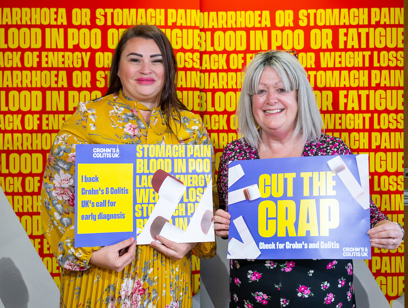
We marked the launch our new campaign Cut the Crap: Check for Crohn’s and Colitis in Wales with an event in Cardiff Bay on the 9 November. Alongside this event our campaign was shared on Welsh Government’s twitter and by the Chief Medical Officer for Wales helping to raise greater awareness of the campaign and Crohn’s and Colitis.
Campaigning for Early Diagnosis in Wales

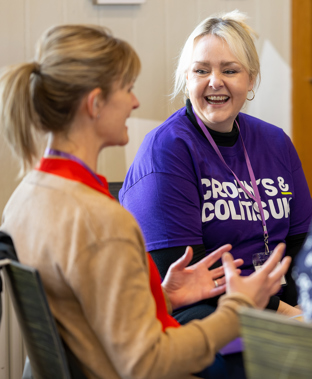
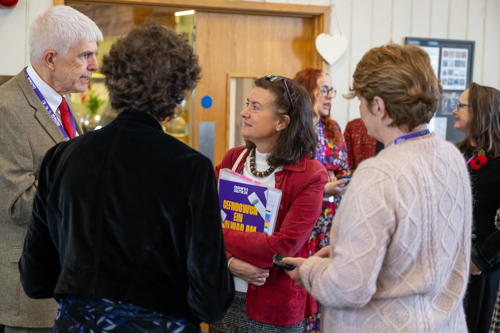
The event brought together policymakers, clinicians and IBD nurses, and people with Crohn’s and Colitis to explore the impact of a delayed diagnosis and how we can work together to address this issue.
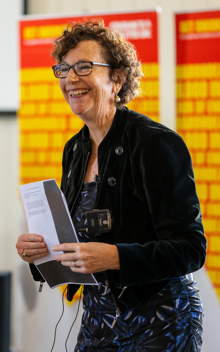
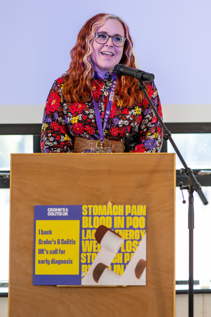
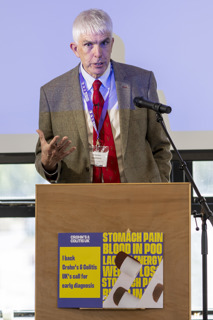
The event was opened by our Chair of Trustees Dr Jackie Craissati who explained the need for the campaign and the three actions that we need politicians and health leaders to take. Siânny Thomas bravely shared her experience and how she developed a bad relationship with food whilst waiting for a diagnosis. This was followed by our campaign video featuring Natalie’s story.
We were delighted to hear from Eluned Morgan MS, the Minister for Health and Social Services. She spoke about the work being done in Wales to ease pressure on endoscopy services and transform lives of people living with Crohn’s and Colitis.
“”
I welcome this campaign from Crohn’s & Colitis UK to reduce stigma and encourage people to seek the care they need. Bowel conditions are notoriously difficult to diagnose, which is why through our programme for transforming and modernising planned care, we are committed to improving pathways and increase diagnostic capacity. This will help everyone with Crohn’s and Colitis in Wales to get the diagnosis and best possible outcome regardless of who they are, and where they live.
Finally, Dr Barney Hawthorne, the National Clinical Lead for IBD, shared how talking about toilet habits are taboo and the need for a national diagnostic pathway for people with lower gastrointestinal symptoms.
“”
Patients are often incredibly embarrassed by the condition and don't like talking about it. Many young people worry that they will be ignored or told it's nothing to worry about. But they will be taken seriously. My advice is do not delay and get checked if you have any symptoms. Crohn's and Colitis can be treated but you should not delay in seeing a healthcare professional as early diagnosis will be better.
After attending the event, Sarah Murphy MS asked the Welsh Minister for Health and Social Services, Eluned Morgan MS, about the availability of tests in primary care and support for GPs in recognising the symptoms of Crohn’s and Colitis. In her reply, the Minister spoke about our new symptom checker and resources for health care professionals that we have developed with the Royal College of GPs. She also raised the importance of raising awareness and talking about symptoms.
You can watch her question and the response here.
Our work on early diagnosis has just begun. We will continue to work with policymakers and healthcare professionals so that we can build back confidence in primary care and ensure people get on a treatment plan rather than on an operating table. Read our policy brief in English or Welsh to find out more.
How to get involved
We can’t achieve early diagnosis without your help. Whether you’ve been recently diagnosed, waiting for a diagnosis or know someone affected by Crohn’s and Colitis, we need you to get involved in any way you can. Share our symptom checker and back our call for early diagnosis today.



Page
saved
This page has been saved in your personal space. Go to “My Page” to view all saved pages.
Helpline Service
We know it can be difficult to live with, or support someone living with Crohn’s or Colitis. But we’re with you. We can give you the right information and support at the right time.
We’re here for everyone.
How Can We Help?
- We can help you understand Crohn’s and Colitis
- Listen and talk about living with IBD
- Help you connect with others in the Crohn’s and Colitis community
- Give you contact details of specialist organisations
- We can support you to live well with Crohn’s or Colitis and provide up-to-date, evidence-based information
Please be aware we’re not medically or legally trained. We cannot provide detailed financial or benefits advice or specialist emotional support.
Please contact us via telephone, email or LiveChat - 10am to 3pm, Monday to Friday (except English bank holidays).

If you need specific medical advice about your condition, your GP or IBD team will be best placed to help.
Stay in the loop
Together, we’re making the greatest difference. Sign up to hear about the amazing things we’re achieving together.
© Crohn's & Colitis UK